
Lanternflies in Northern Virginia: What You Need to Know
Spotted lanternflies are here, and they’re not just an eyesore — they’re a real threat. If you live in Northern Virginia, you’ve probably seen these colorful invaders clinging to trees, hopping on sidewalks, or squashed underfoot. But behind the bright wings is a pest with serious consequences for local ecosystems and agriculture.
This post provides information about lanternflies for Northern Virginia and Metro D.C. area residents.
If you suspect you have termites, rodents, ants, or any other type of pest in or around your home, contact us immediately for eradication. Catching these problems early can save you from costly pest problems down the road!
What Are Lanternflies?
The spotted lanternfly is an invasive insect native to Asia. It first showed up in the U.S. in Pennsylvania in 2014. Since then, it’s been spreading steadily down the East Coast. Northern Virginia is now firmly in the danger zone.
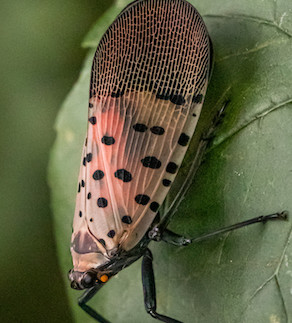
They look harmless — even kind of pretty — with black-spotted forewings and flashy red underwings. But don’t be fooled. These bugs feed on over 70 different plant species, including grapevines, maples, and fruit trees. Their feeding can weaken plants, attract mold, and disrupt the balance of entire ecosystems.
Why You Should Care
Lanternflies don’t bite or sting, but they are destructive in quiet ways:
- They stress and kill plants. Lanternflies suck sap from stems and leaves, draining energy from the plant. Over time, this weakens or kills it.
- They leave behind a mess. Their sugary excretions, known as honeydew, attract sooty mold and create sticky, black coatings on anything beneath infested trees — cars, decks, furniture.
- They threaten Virginia’s wine and orchard industries. Grapevines are one of their favorite targets. That puts vineyards — a growing part of the region’s economy — at risk.
Where They’re Showing Up
Counties across Northern Virginia — including Fairfax, Loudoun, Arlington, and Prince William — have confirmed lanternfly sightings. They’re spreading fast, hitching rides on cars, firewood, outdoor gear, and even people.
What You Can Do
You won’t stop the invasion alone, but you can slow it down. Here’s how:
- Kill them on sight. It’s blunt, but effective. Smash them, vacuum them, trap them. Every one counts.
- Check your car and gear. If you’re traveling through infested areas, check for egg masses on tires, grills, bumpers, and luggage.
- Destroy egg masses. From September to May, scrape off gray, putty-like egg masses and drop them into a container of alcohol or hand sanitizer.
- Report sightings. Contact your local extension office or the Virginia Department of Agriculture. More data = better control.
Final Word
Lanternflies aren’t going away anytime soon, but ignoring them won’t help. They’re a slow-motion problem — the kind that builds until it breaks things we care about. Stay alert. Take action. Talk to your neighbors. The more eyes (and boots) on the ground, the better chance we have of keeping Northern Virginia’s environment healthy.
Count on Alexandria Pest Services to Get Rid of Your Pest Problem in Northern Virginia!
Concerned about household pests in your home? To arrange an inspection and begin your journey to a pest-free environment, get in touch with Alexandria Pest Services right now. Call us at 703-923-0925 to schedule a professional pest evaluation in Burke, Springfield, Alexandria, Fairfax, and throughout Northern Virginia and Metro D.C. area. We can help you get rid of these invaders in your home or office! Contact us today to learn more.